The Royal lifesaving Society have put out some particularly useful advice for us all. If you fall into cold water, then think; Float First; Recover your Breathing; Swim. On initial cold water immersion, you need to recover your breathing as you are in danger of taking water into your lungs. Wearing a buoyancy aid or holding a rescue float or rope or just holding your capsized boat will help during this initial phase, when you lose control of your breathing. Then you have a short window to get out of the water before the cold prevents your muscles from working and so from swimming or using your arms and hands to hold on to anything. Further information is on the web link https://www.rlss.org.uk/cold-water-shock-the-facts
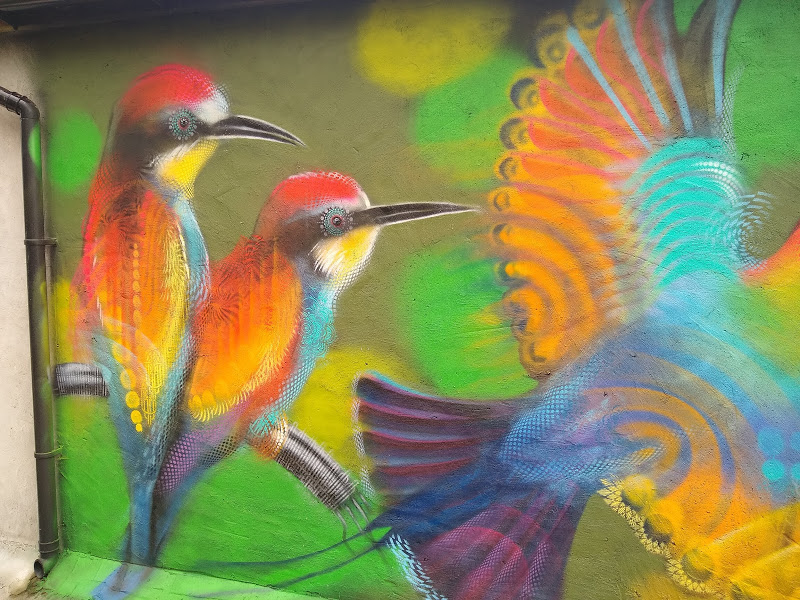
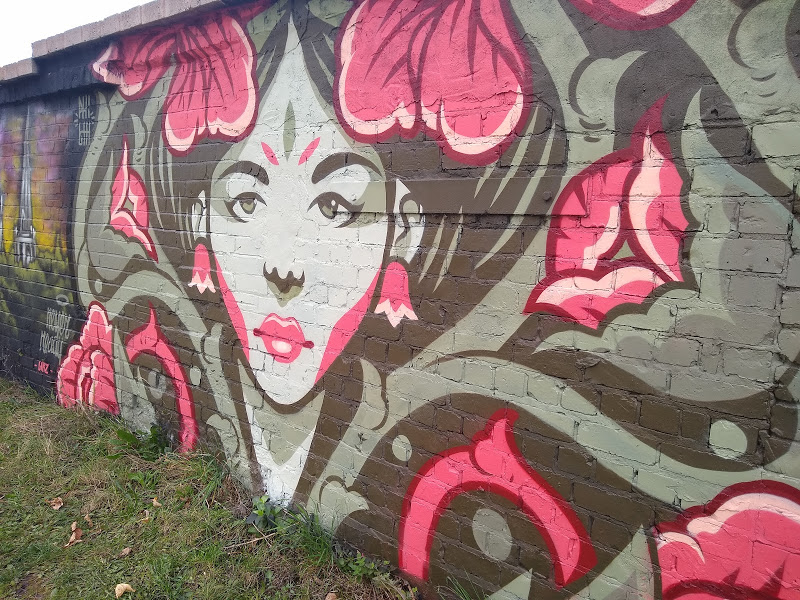
In early autumn some new artwork appeared on the towpath wall, just past Electric Wharf around 150m before Bridge 2.
I have reproduced the following as an edited extract from Coventry’s Waterway, A City Amenity, by Coventry Canal Society, Revised 1984.
On Friday December 15th, 1978, around 9 p.m. there was a breach in the Canal, around 100 m south of Cashs Lane, Bridge 2. An estimated 25 million gallons of water flooded down to Foleshill Road, the Golden Eagle public house, Eagle Street and the low-lying Springfield Road area, where it did the most damage, with houses under three feet of water. There was nothing to hold back ten miles of water up to Atherstone and another 20 miles of water on the Ashby Canal. Nothing could hold back the water in the breach until stop planks were put in at Cash’s Lane Bridge after many hours. Then a cofferdam was built across the breach and the clean-up could begin.
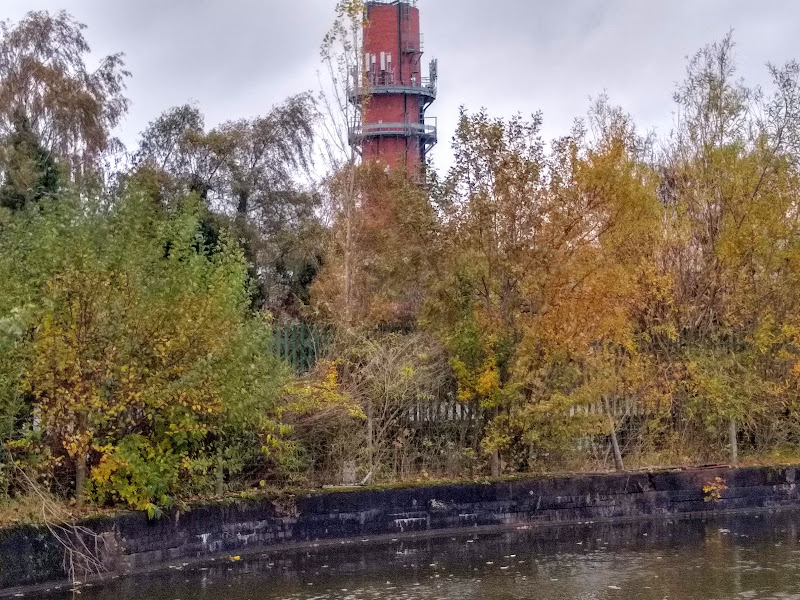
It is known that building workers had dug into the embankment of the canal, preparing for a drainage inspection chamber, just before the chimney and beside the factory building with angled roof sections. The bank now has a piled section with a concrete coping.
Cash’s Lane Bridge, number 2 was known as Honey Lane Bridge. There is a cast iron rubbing post beside it on the towpath, with deep grooves cut into it by the towing ropes of horse-drawn boats. The posts were to save the brickwork of the bridge from similar damage.
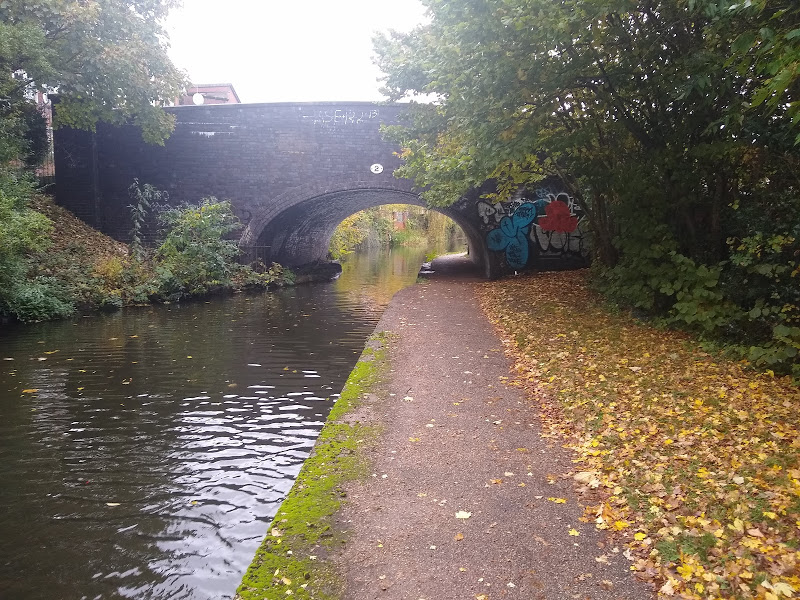
On the face of the bridge there are two filled in squares. You will see a number of these on the bridges in the City. These sections of brickwork were cut out at the beginning of the second world war and removable pieces of wood were inserted in their place. They were put there so that fireman could get their hoses through and down to the canal. On November 14th, 1940, the night of the blitz on Coventry, the water mains were all destroyed within two hours and Swanswell Pool was also drained. The Fire Service were pumping water from the canal when a bomb fell in front of Cash’s Lane causing a breach and the canal to drain.
Through the bridge and high up on the left stand the row of elegant red-brick houses, with the large windows along the top storey, known as the Cash’s Hundred Houses. Only 48 were built and now only 37 remain.
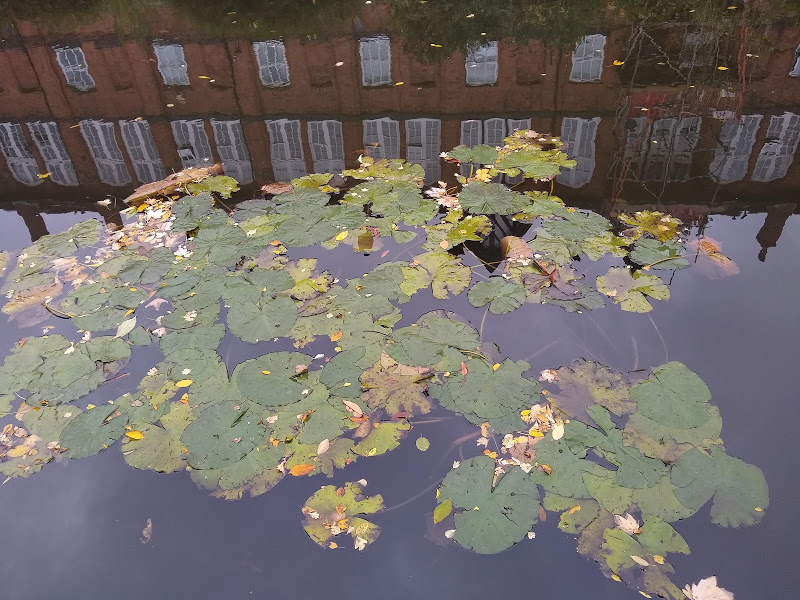
Joseph Cash was a firm believer in the value of the cottage industry and had these houses built in 1857 so that people weaving in their own homes, could compete with power driven looms in factories. They could work in the light airy rooms above their houses. A steam engine in the courtyard worked overhead shafts, running the length of the top workshops. The engine gave trouble free service for 70 years until 1926.
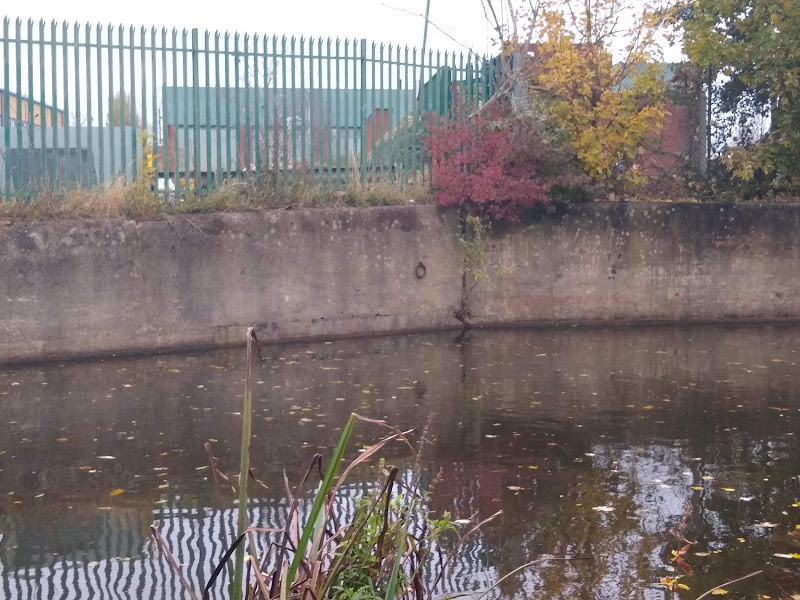
The tall chimney now reduced in height, was once 360 feet tall and on the site of the Courtaulds factory. The canal is much wider on the right-angled bend as on the left was the Courtaulds canal wharf. Boats brought coal to power the steam turbines and Cowburn and Cowpar, manufactured and delivered chemicals from Manchester. Chemical waste was taken by boat to the large chemical tip, just past Hawkesbury. There are still mooring rings on the high wall and men wearing harnesses would haul unpowered boats up to the cranes to load and unload.